


HollandGreen award-winning architecture
The New English Country House: Balancing Heritage and Modern Living
For generations, the English country house has embodied continuity and change in equal measure. At Holland Green, we believe the most successful country houses today continue this tradition by thoughtfully reinterpreting heritage to support modern family life, while safeguarding the character that makes them enduringly special.
As a multidisciplinary Design Practice encompassing architecture, interior design and landscape design, our work is rooted in a holistic understanding of place. We design homes and gardens across Oxfordshire, the Cotswolds and the Home Counties, specialising in listed buildings, historic country estates and sensitive new interventions within rural settings. Our approach is guided by the belief that thoughtful change strengthens heritage rather than diminishing it.
As James Hurst, Associate Director of Architecture, explains:
“The question is never whether a historic house can adapt, it’s how to guide that change with intelligence, restraint and long-term thinking”.
Architecture: Crafting A Dialogue Between Old And New
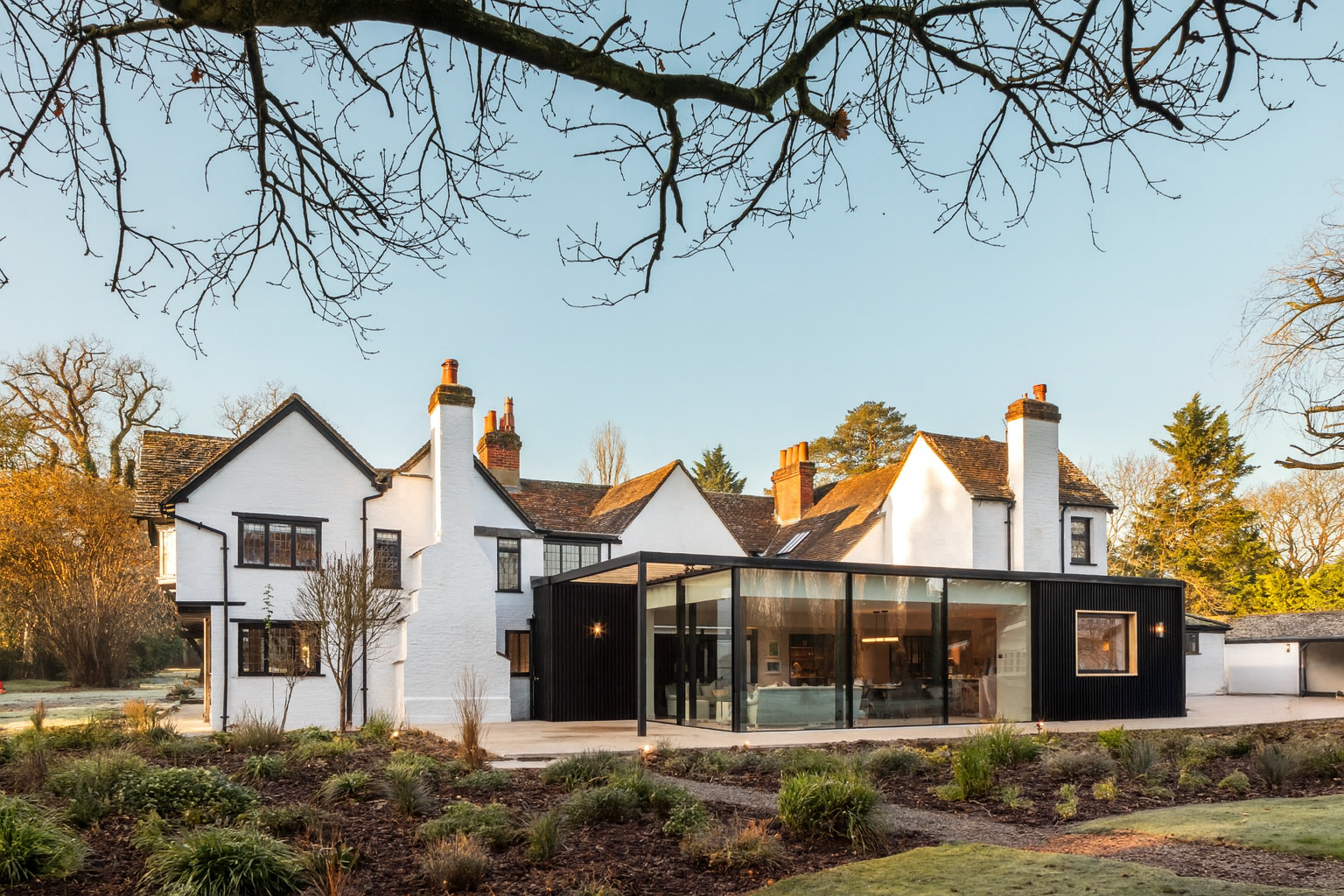
Modern family living often requires additional space, yet within a heritage context, an extension must be handled with care. At Rowfield House, a 16th-century Berkshire farmhouse, our challenge was to restore coherence to a home altered many times over the centuries. A lightweight, single-storey contemporary extension replaces unsympathetic additions, re-establishing flow while introducing an open-plan kitchen, dining and living space. Slim aluminium detailing echoes the original timber frame, while charred black timber cladding references the farmhouse’s traditional monochrome palette.
Interiors: Modern Comfort Without Erasing Character
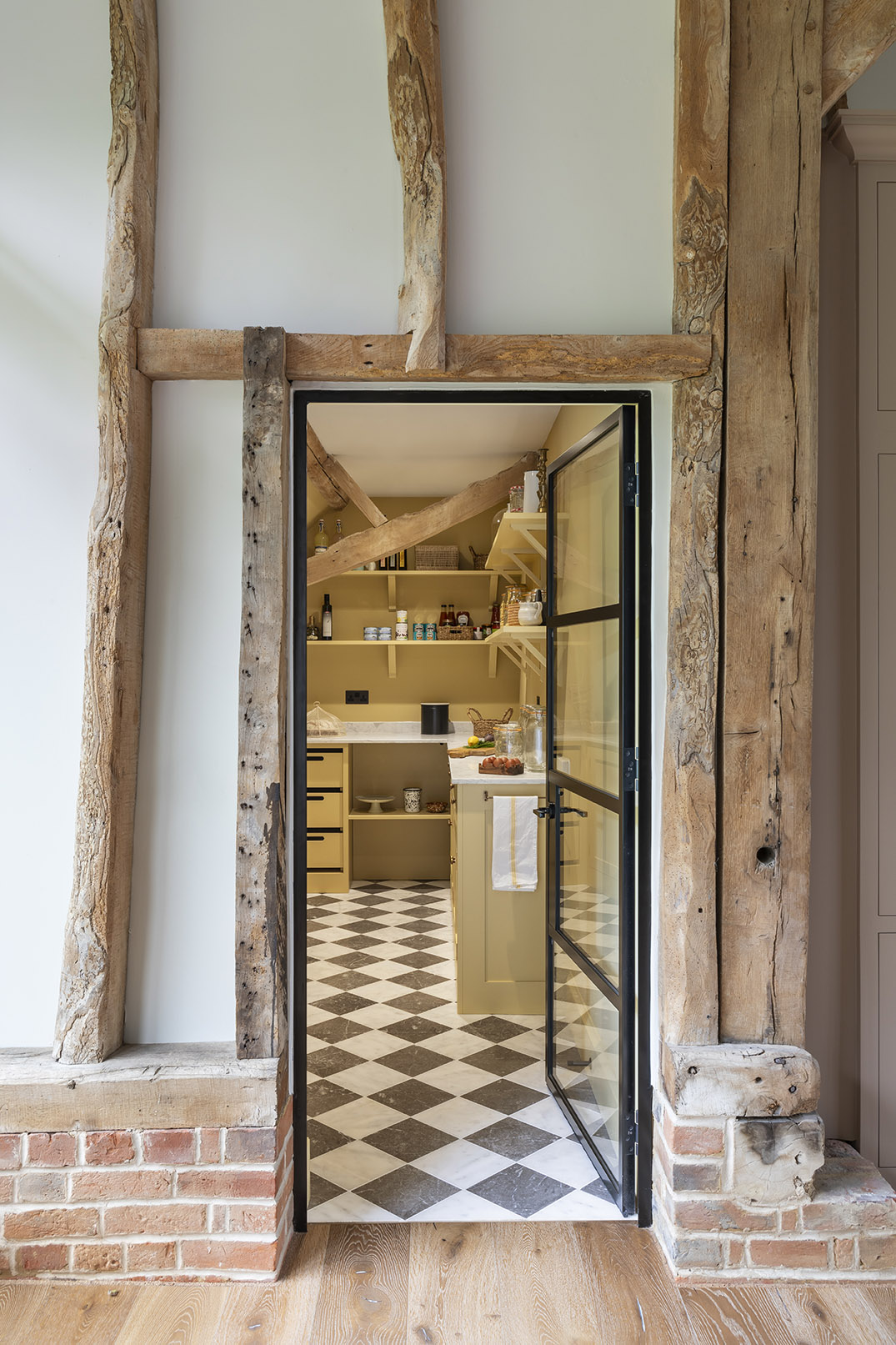
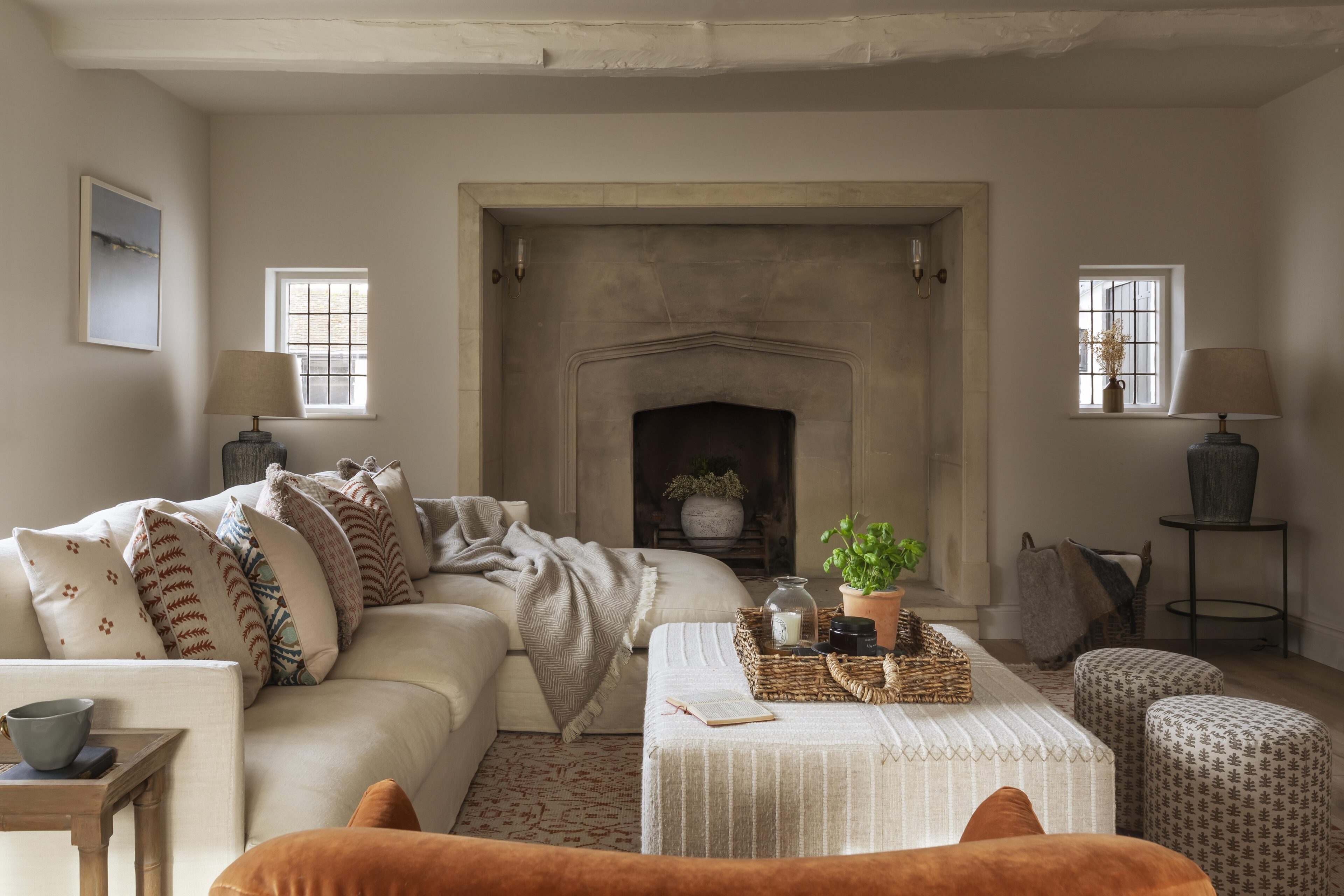
Inside, the country house must work effortlessly for daily life. Kitchens become gathering spaces; boot rooms, utilities and storage are essential; bathrooms must feel indulgent yet timeless.
Through bespoke joinery, durable natural materials and considered detailing, modern amenities sit comfortably within historic envelopes.
“Every intervention should feel like a natural evolution of the house”, says Tori Young, Creative Lead for Interior Design.
Architecture: Crafting A Dialogue Between Old And New
Modern family living often requires additional space, yet within a heritage context, an extension must be handled with care. At Rowfield House, a 16th-century Berkshire farmhouse, our challenge was to restore coherence to a home altered many times over the centuries. A lightweight, single-storey contemporary extension replaces unsympathetic additions, re-establishing flow while introducing an open-plan kitchen, dining and living space. Slim aluminium detailing echoes the original timber frame, while charred black timber cladding references the farmhouse’s traditional monochrome palette.
Interiors: Modern Comfort Without Erasing Character
Inside, the country house must work effortlessly for daily life. Kitchens become gathering spaces; boot rooms, utilities and storage are essential; bathrooms must feel indulgent yet timeless.
Through bespoke joinery, durable natural materials and considered detailing, modern amenities sit comfortably within historic envelopes.
Sustainability As An Act Of Stewardship
Upgrading heritage homes sustainably demands a sensitive and informed approach. Improving thermal performance, ventilation and energy efficiency using breathable materials and building-appropriate technologies enhances comfort while preserving fabric. Sustainability becomes a form of custodianship, extending the life of the building and reducing its environmental impact.
Landscape: Extending Heritage Into The Setting
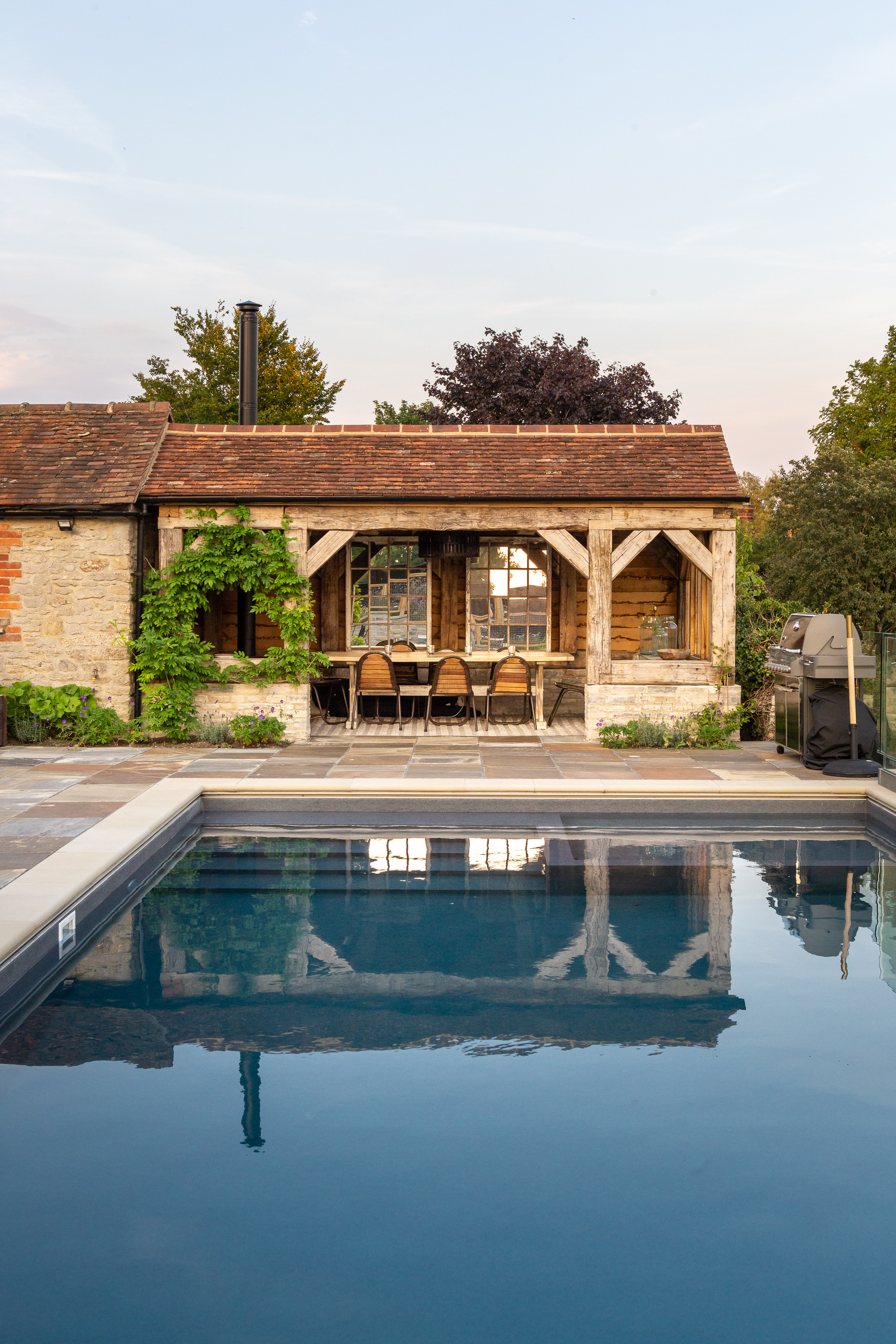
At Bilbury, outdoor living is carefully integrated with both the house and its landscape. The attached pavilion is designed to blend seamlessly with the existing architecture. Constructed using aged materials that complement the main building, its proportions and detailing reference traditional forms, while a wood burner and timber dining table create a practical, year-round space for alfresco dining.
A Living Tradition
The new English country house is not about preservation in isolation, nor modernisation for its own sake. It is about balance between heritage and innovation, comfort and character, architecture and landscape. With an integrated design approach and deep respect for place, these homes continue to evolve with confidence, remaining relevant, sustainable and lived-in for generations to come.
“The pavilion is a way of extending the home into the landscape without dominating it”, explains Mark Latchford, Director of Landscape Design. “By using materials and forms that respond to the existing architecture, we create a space that feels entirely of its place”.